
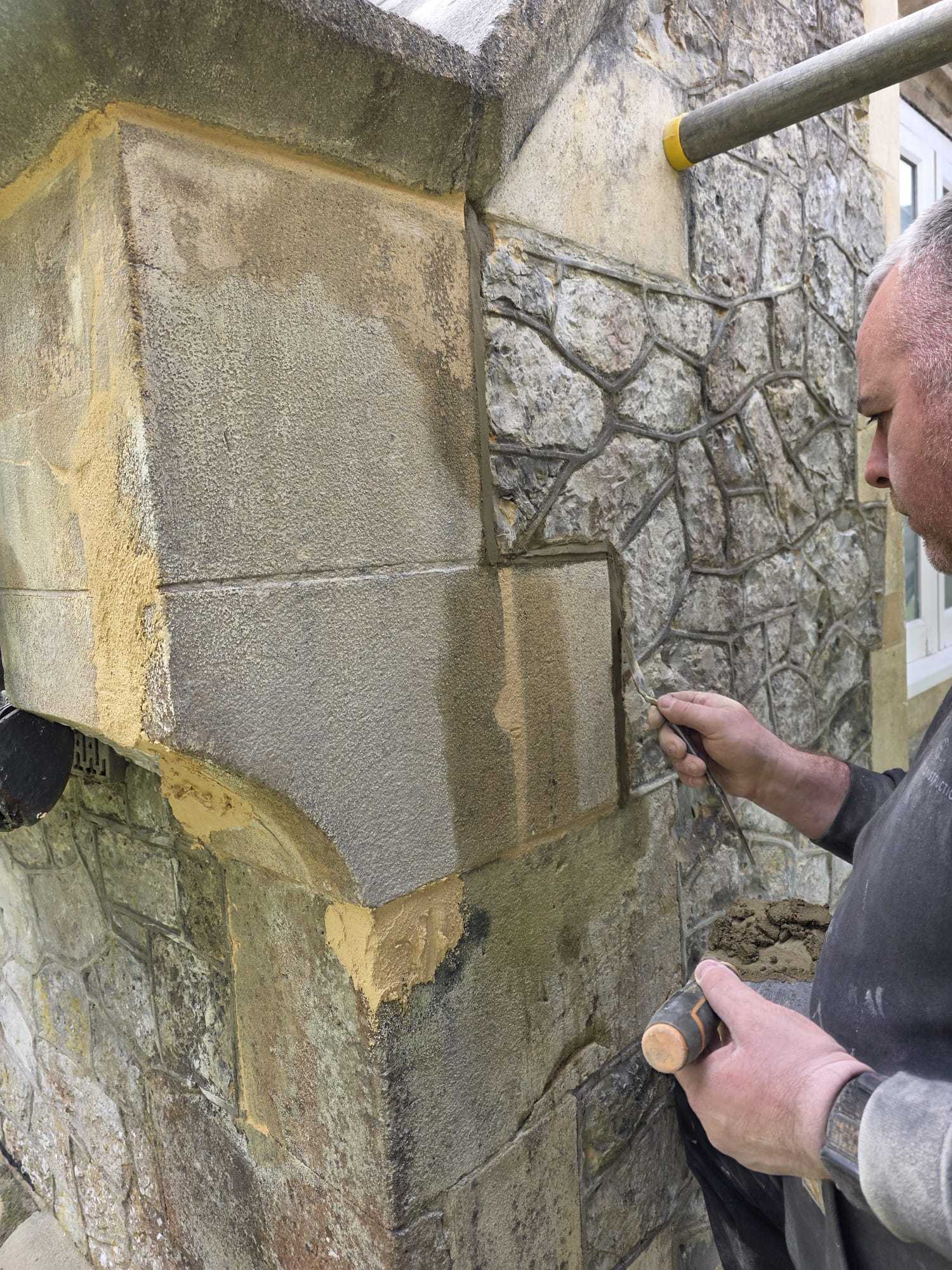
Across Hampshire, period properties—from traditional stone cottages to larger country homes—are a defining feature of the landscape. However, maintaining these buildings requires a different approach to modern construction, particularly when it comes to repointing.
Lime repointing is not just a cosmetic upgrade; it plays a vital role in protecting the structure, managing moisture and preserving the character of older buildings. Using a recent project at Butler’s Cottage in Adhurst as a case study, this guide explains why lime repointing is essential—and what can go wrong when it’s overlooked.
What is Lime Repointing?
Repointing is the process of removing deteriorated mortar from between masonry joints and replacing it with new material. In period properties, this should almost always be a lime-based mortar, rather than modern cement.
Lime mortar is breathable, flexible and softer than the surrounding stone or brick. This allows it to accommodate slight movement within the building and enables moisture to evaporate naturally—both critical for older structures.
Lime Mortar vs Cement: What’s the Difference?
Breathability
Lime mortar allows moisture to pass through and evaporate, whereas cement traps moisture within the wall. In traditional buildings, this can lead to damp problems and internal damage.
Flexibility
Older properties naturally move over time. Lime mortar can absorb this movement without cracking, while cement is rigid and prone to failure under stress.
Compatibility with Stone
Lime mortar is softer than the surrounding masonry, meaning it takes the wear instead of the stone itself. Cement, by contrast, can cause the stone to deteriorate as moisture becomes trapped and forced through the masonry.
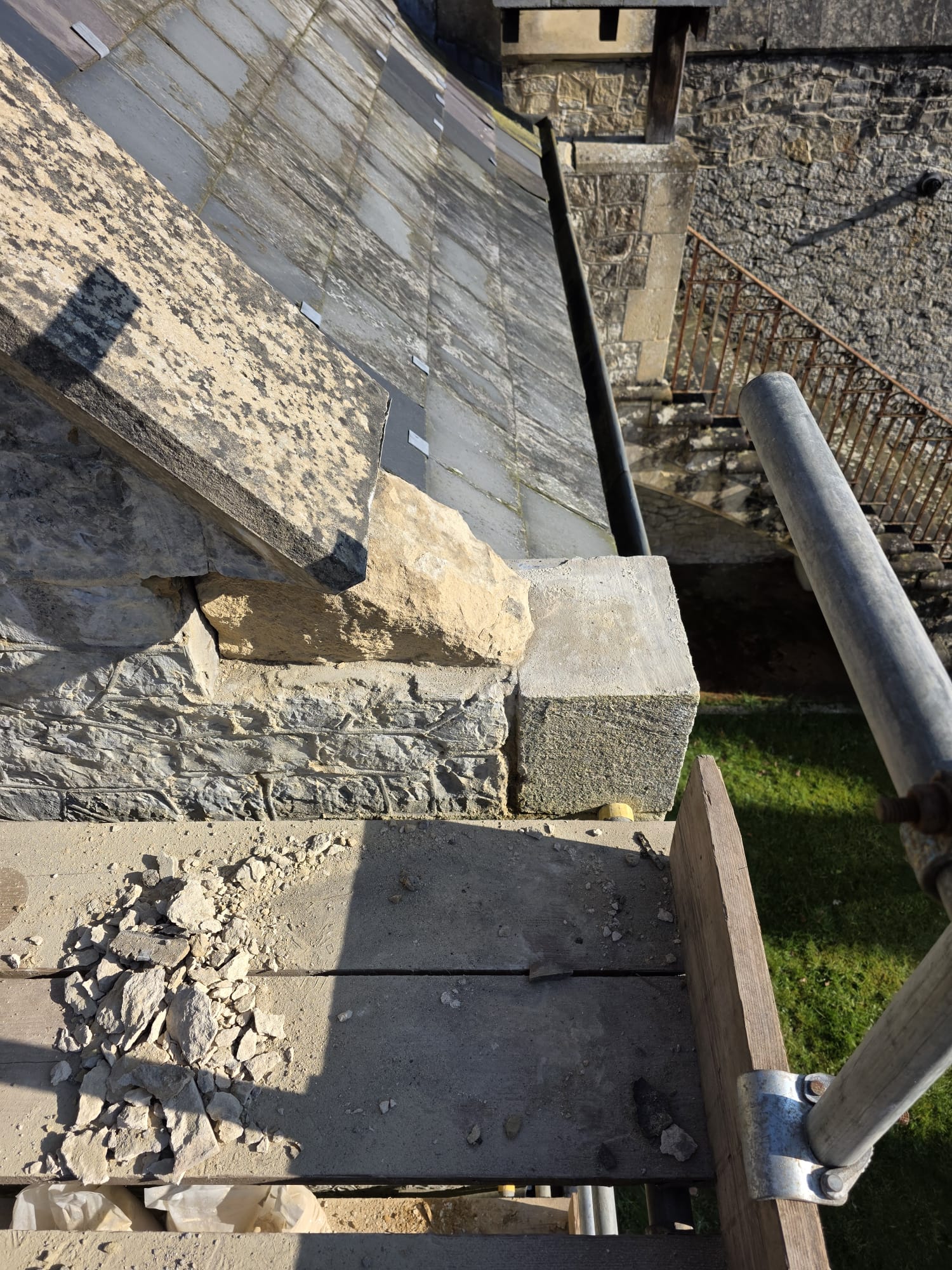
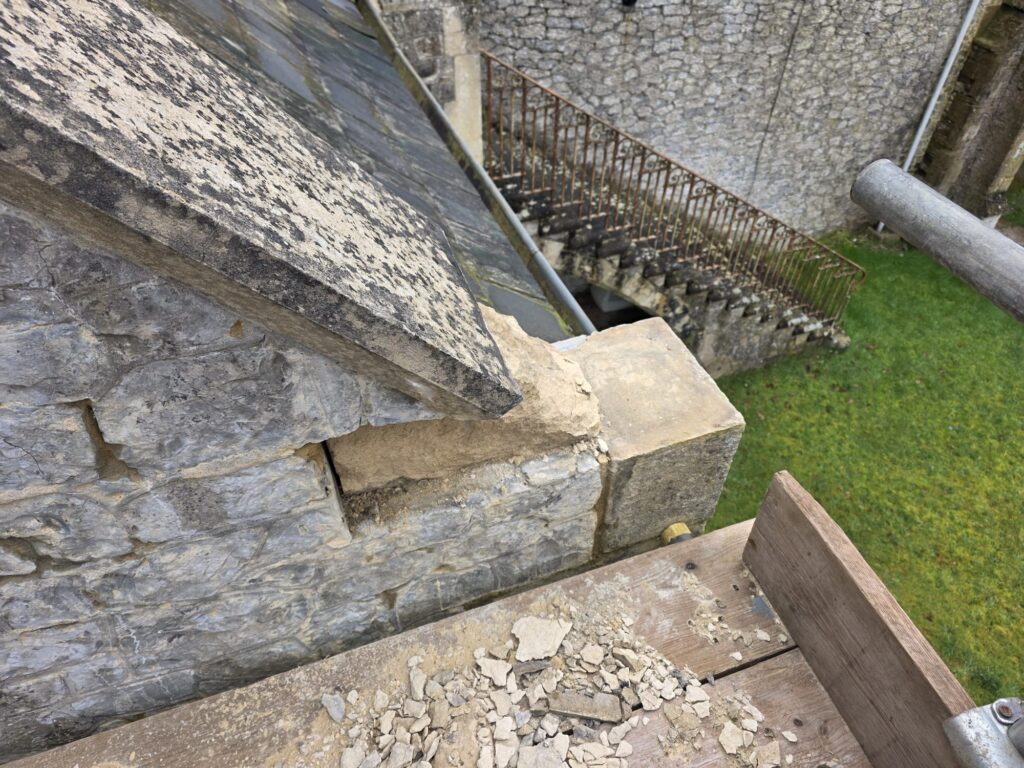
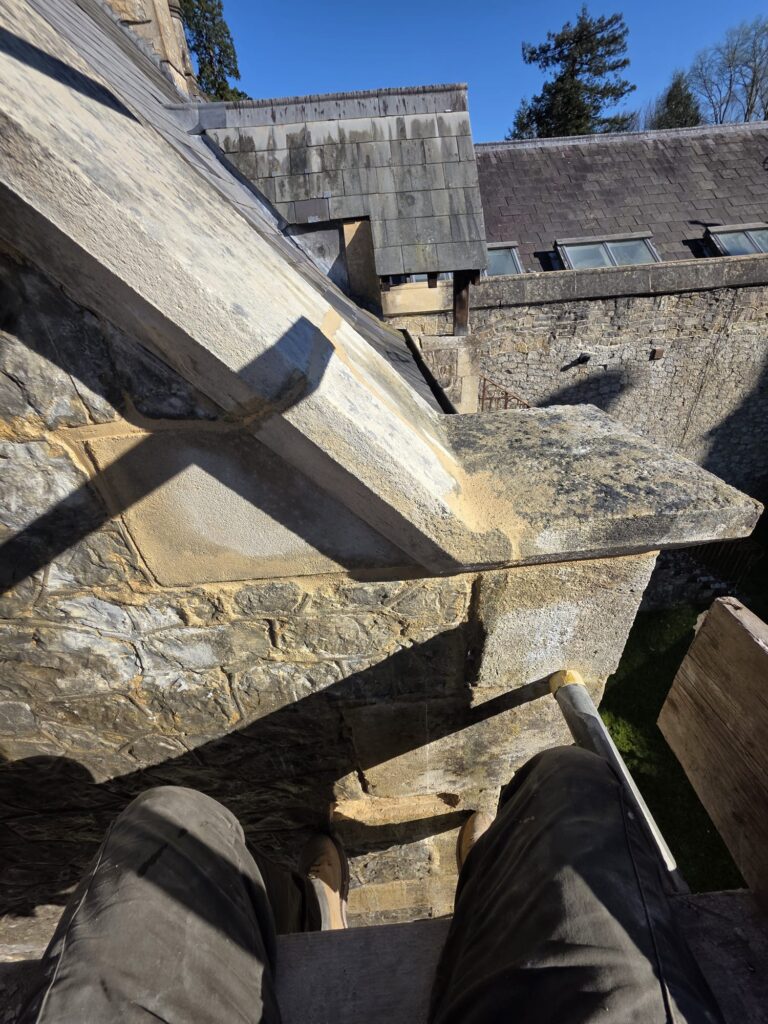
Case Study: Butler’s Cottage, Adhurst
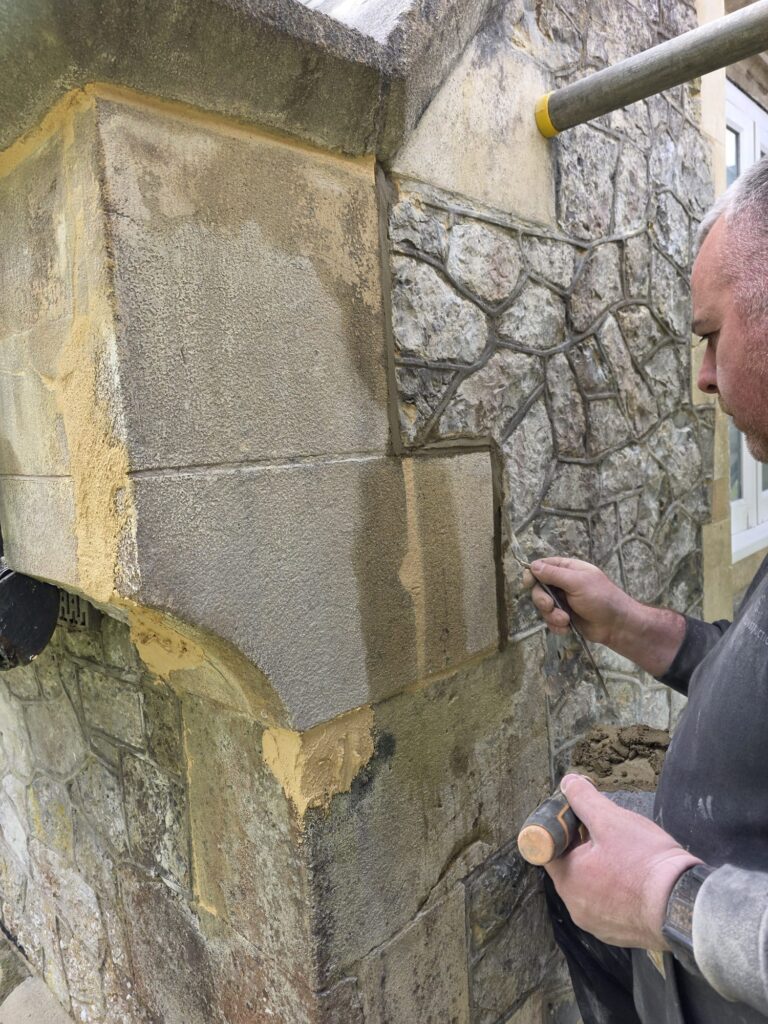
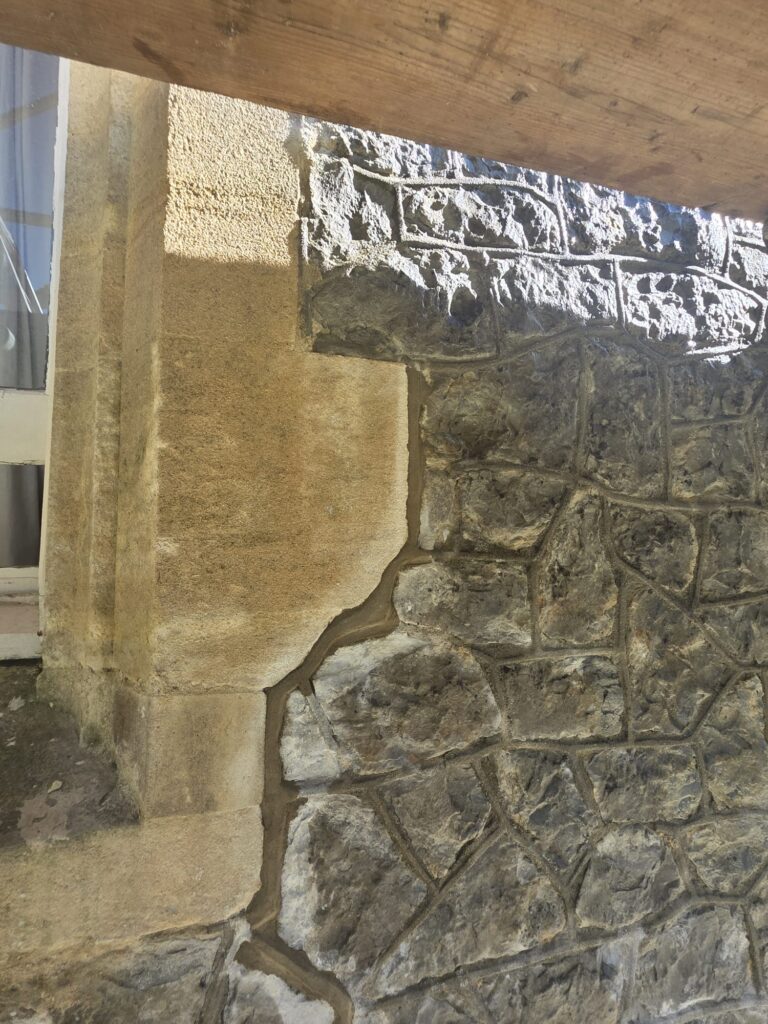
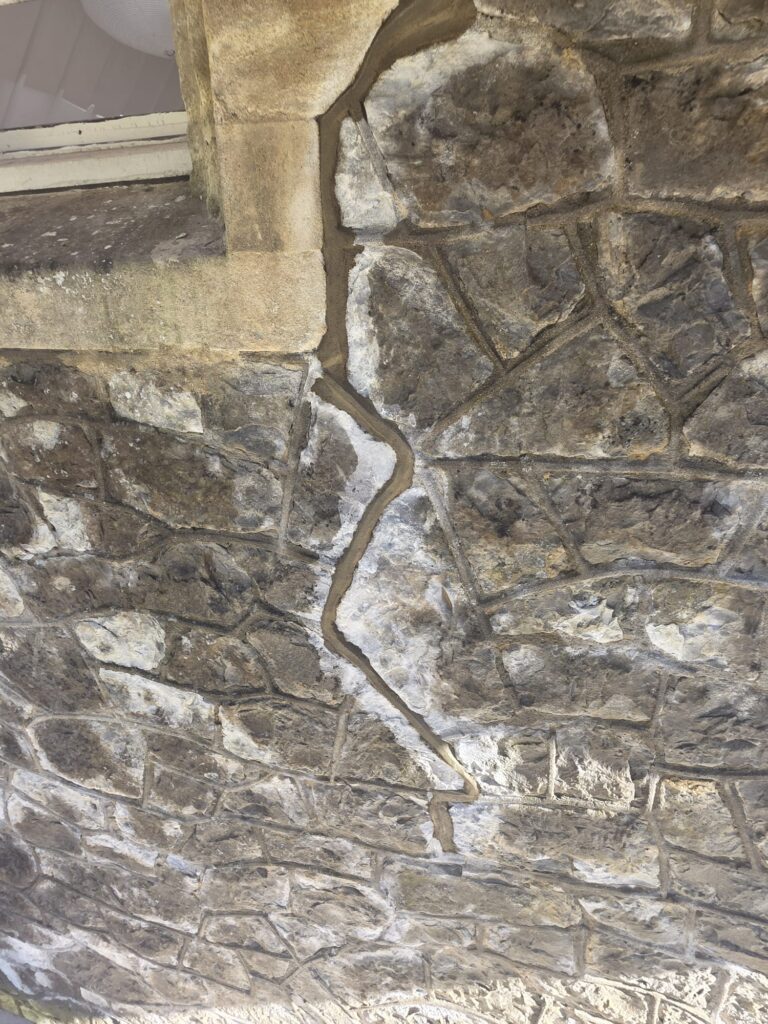
At Butler’s Cottage, previous repairs had introduced inappropriate cement-based pointing, which had begun to fail. This was contributing to localised cracking, moisture retention and early signs of stone deterioration.
Our approach involved carefully removing the failed material and carrying out heritage repointing using a lime-based mix, matched to the existing stone. This not only restored the appearance of the façade but also allowed the building to function as intended—breathing naturally and shedding moisture effectively.
The result is a more durable, sympathetic repair that will protect the property for years to come.
Common Signs Your Property Needs Repointing
Many homeowners are unsure when repointing is necessary. Typical indicators include:
- Crumbling or missing mortar between joints
- Visible cracks along masonry lines
- Damp patches appearing internally, particularly on external walls
- Loose or shifting stonework
- Previous repairs that appear hard, smooth or grey (often cement-based)
If left unaddressed, these issues can escalate, leading to more extensive and costly repairs.
The Risks of Using Incorrect Materials
One of the most common issues we see across Hampshire is the use of cement mortar on older buildings. While it may appear durable initially, it often causes long-term problems.
Trapped Moisture
Cement prevents walls from breathing, forcing moisture to remain within the structure. This can lead to damp, mould and internal damage.
Stone Decay
As moisture tries to escape, it is forced through the masonry itself, causing the stone to crack, flake or erode.
Accelerated Deterioration
Rather than protecting the building, incorrect pointing can actually speed up its decline—resulting in more invasive and expensive repairs later on.
At Butler’s Cottage, addressing these issues early meant we could prevent more significant structural problems developing over time.
Long-Term Benefits of Lime Repointing
Investing in lime repointing in Hampshire offers clear long-term advantages:
Improved Building Health
By allowing moisture to escape naturally, lime mortar helps maintain a dry, balanced internal environment.
Protection of Original Materials
Lime mortar works in harmony with traditional stone and brick, preserving the integrity of the building fabric.
Enhanced Appearance
Well-executed heritage repointing restores the visual character of a property, ensuring repairs blend seamlessly with existing materials.
Longevity
When carried out correctly, lime repointing can last for decades, reducing the need for ongoing maintenance.
Heritage Repointing for Stone Cottages
For owners of period homes, particularly stone cottages, repointing should never be approached as a simple maintenance task. It requires an understanding of traditional materials, careful workmanship and a considered approach to ensure the building performs as intended.
At Rogate Construction, we regularly carry out stone cottage repair and lime repointing across Hampshire, West Sussex and Surrey, helping homeowners protect and enhance their properties with sympathetic, long-lasting solutions.
Thinking About Lime Repointing?
If your property is showing signs of failing mortar or damp, addressing the issue early can prevent more extensive work in the future. A properly executed lime repointing programme not only improves appearance but safeguards the long-term performance of your home.
Using projects like Butler’s Cottage as a reference, it’s clear that the right materials—and the right approach—make all the difference.
0 Comments