

Underfloor heating has become an increasingly popular choice for homeowners planning renovations, extensions, or new builds across Hampshire, West Sussex and Surrey. Once considered a luxury, it is now a practical, efficient and highly comfortable heating solution suited to modern living.
Whether you are redesigning a kitchen, upgrading bathrooms, or improving the energy performance of your entire home, underfloor heating offers a range of benefits worth serious consideration.
What Is Underfloor Heating?
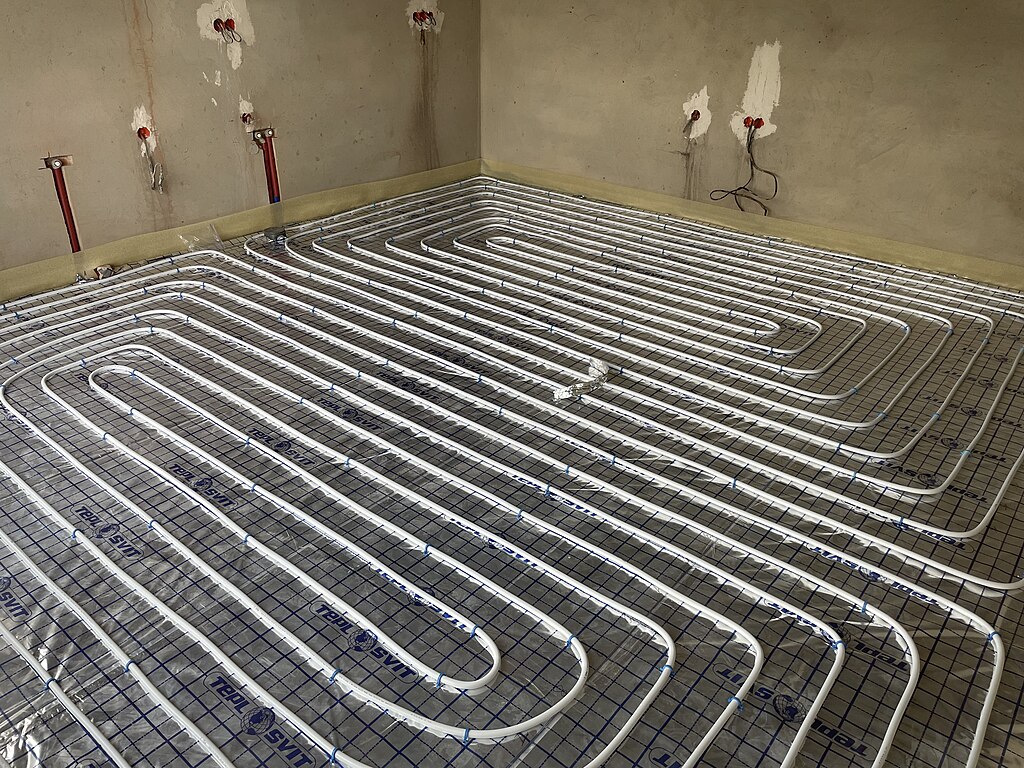
Underfloor heating is a system that provides heat from beneath the floor surface, warming a room evenly from the ground up rather than relying on wall-mounted radiators.
There are two main types:
- Water-based (wet) systems – warm water circulates through pipes laid beneath the floor, usually connected to a boiler or heat pump.
- Electric systems – electric heating cables or mats installed under the floor finish, often used in smaller areas or single rooms.
Both systems are effective, but the right choice depends on the property, project scope and how the space will be used.
Even, Comfortable Heat Distribution
One of the biggest advantages of underfloor heating is how it heats a room. Traditional radiators create hot spots near the radiator and cooler areas elsewhere. Underfloor heating radiates warmth evenly across the entire floor area.
This results in:
- Consistent temperatures throughout the room
- No cold corners or draughty areas
- A more natural and comfortable heat profile
Because heat rises gently from the floor, rooms feel warm at lower thermostat settings compared to radiator-based systems.
Improved Energy Efficiency
Underfloor heating operates at lower temperatures than conventional radiators while achieving the same — or better — levels of comfort. This makes it an energy-efficient option, particularly when paired with modern heating systems.
Key efficiency benefits include:
- Lower flow temperatures, reducing energy demand
- Excellent compatibility with air source and ground source heat pumps
- Reduced heat loss due to even distribution
Over time, this can contribute to lower energy bills and improved overall efficiency of the home.
More Usable Space and Design Freedom
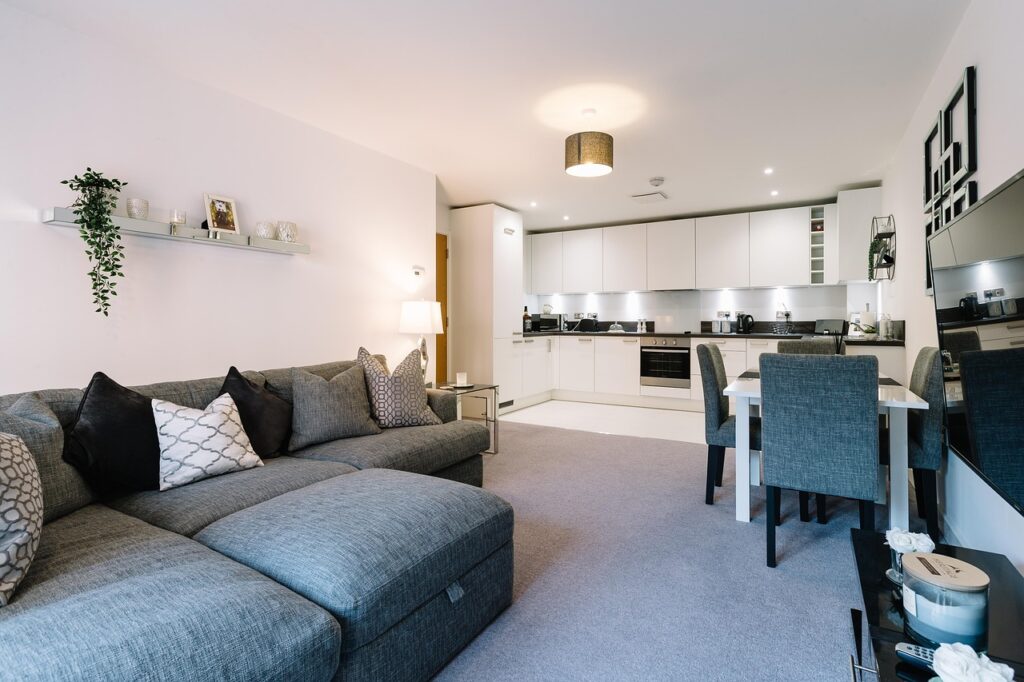
Removing radiators instantly frees up wall space, giving greater flexibility when designing interiors. This is especially valuable in:
- Kitchens with extensive cabinetry
- Bathrooms with limited wall space
- Open-plan living areas
- Bedrooms where furniture placement matters
Underfloor heating supports cleaner lines and a more minimalist aesthetic, allowing design decisions to be driven by layout and lifestyle rather than radiator positioning.
Ideal for Modern Renovations and Extensions
Underfloor heating works particularly well in extensions, refurbishments and structural alterations — especially where floors are already being replaced or built up.
It is commonly installed in:
- Kitchen extensions
- Rear and side return extensions
- Loft conversions
- Ground floor renovations
With careful planning, it can also be retrofitted into existing homes, though floor build-up and insulation levels must be assessed early in the design process.
Low Maintenance and Long Lifespan
Underfloor heating systems are largely hidden and have very few moving parts, particularly water-based systems. Once installed correctly, they require minimal maintenance.
Benefits include:
- Fewer visible components to repair or replace
- Reduced risk of leaks when installed by experienced professionals
- Long system lifespan, often exceeding that of traditional radiators
Electric systems, in particular, are virtually maintenance-free.
Improved Indoor Air Quality
Traditional radiators heat air quickly, causing it to circulate around the room and carry dust and allergens. Underfloor heating relies on radiant heat rather than convection.
This can result in:
- Reduced air movement
- Less dust circulation
- A more comfortable environment for allergy sufferers
It is a subtle but meaningful benefit for many households.
Compatible with a Wide Range of Flooring
Modern underfloor heating systems are compatible with most common floor finishes, including:
- Porcelain and ceramic tiles
- Natural stone
- Engineered wood
- Vinyl and luxury vinyl tiles
- Certain carpets (with suitable underlay)
Correct specification is essential to ensure heat transfer efficiency, which is why early coordination between builder, heating engineer and flooring supplier is important.
Increased Property Appeal and Value
Energy-efficient heating solutions are increasingly attractive to buyers. Underfloor heating is often viewed as a premium feature that enhances comfort and modernises a property.
In competitive markets across Surrey, West Sussex and Hampshire, features such as underfloor heating can improve desirability and support long-term property value.
Underfloor Heating vs Radiators: A Simple Comparison
When deciding whether underfloor heating is right for your home, it helps to compare it with traditional radiators.
Heat distribution: Underfloor heating provides even warmth across the whole room, while radiators tend to create hot and cold spots.
Energy efficiency: Underfloor heating operates at lower temperatures, making it more efficient, particularly with modern boilers and heat pumps. Radiators require higher flow temperatures to achieve the same comfort level.
Space and aesthetics: Underfloor heating is completely hidden, freeing up wall space and allowing more design flexibility. Radiators can restrict layouts and furniture placement.
Comfort: Heat rising gently from the floor creates a more natural and comfortable environment compared to the quicker, more localised heat from radiators.
Installation considerations: Radiators are often simpler to retrofit, while underfloor heating is best planned as part of renovations, extensions or new builds where floors are being replaced.

Things to Consider Before Installing
While underfloor heating offers many advantages, it is not a one-size-fits-all solution. Key considerations include:
- Floor build-up height and insulation requirements
- Existing heating systems and controls
- Upfront installation costs versus long-term savings
- Project timing and coordination with other trades
Professional advice at the planning stage ensures the system is designed correctly and performs as expected.
How Rogate Construction Can Help
At Rogate Construction Limited, we regularly design and install underfloor heating as part of renovations, extensions and new build projects across Hampshire, West Sussex and Surrey.
We work closely with Gas Safe approved mechanical engineers and approved electricians to ensure each system is correctly specified, installed and integrated with the wider build. Our experience allows us to advise on suitability, floor construction, insulation and controls, helping clients make informed decisions from the outset.
If you are considering underfloor heating as part of your next project, we would be happy to discuss your options and guide you through the process.



0 Comments