

When planning a home improvement project, one of the most common questions homeowners ask is simple: how do payments work with a builder?
Whether you are considering an extension, renovation, structural alteration or a new kitchen, understanding how projects are paid for can make the entire process feel far more comfortable. A clear payment structure protects both the homeowner and the contractor and ensures that work progresses smoothly from start to finish.
Below is a straightforward guide to how building payments are typically structured and what you should expect during a well-managed project.
The Initial Deposit
Most professional builders will request a deposit before work begins.
This serves several purposes. It confirms that the client wishes to proceed with the project, allows the builder to secure a place in their schedule, and covers early project costs such as:
- Ordering initial materials
- Booking specialist trades
- Early administration and project setup
For many projects, this deposit is typically around 10% of the project value.
Importantly, this stage should always be accompanied by a written contract and agreed terms and conditions, setting out the scope of the work, expected timeline and payment structure.
Monthly Payments Based on Work Completed
Once a project is underway, payments are usually made in stages rather than as one large sum.
A common approach is monthly invoicing based on the value of work completed during that month. This method ensures that clients only pay for work that has actually been carried out.
For example, a builder may review progress at the end of each month and issue an invoice reflecting:
- Labour completed
- Materials installed
- Specialist trade work undertaken
- Any agreed variations or additional items
This keeps the financial side of the project transparent and manageable.

Why Some Months Cost More Than Others
One important point for homeowners to understand is that building work does not progress in perfectly even financial stages.
Some parts of a project involve significant structural work or materials, while other periods involve lighter tasks. Because of this, monthly invoices can vary considerably.
For example:
- Structural phases such as foundations or roofing can involve larger material costs.
- Finishing stages such as decorating may involve less expenditure.
- Certain trades may only be required at specific stages.
This means clients may see higher invoices during structural phases and smaller invoices during finishing stages.
Understanding this pattern in advance can help homeowners plan their cash flow more comfortably.
Detailed Cost Breakdowns
A well-prepared builder will normally provide a detailed cost breakdown alongside the main project quote.
This document often outlines the major elements of the project, such as:
- Groundworks and structure
- Roofing
- Plumbing and heating
- Electrical work
- Kitchens and bathrooms
- Plastering and finishes
By clearly outlining how the project budget is structured, clients can see how work will progress and how costs are allocated.
This also provides a useful reference point for monthly valuations and invoices.
What Are Prime Cost (PC) Sums?
Many building quotes include Prime Cost (PC) sums, which can sometimes be confusing if you have not encountered them before.
A PC sum is essentially a set allowance within the project budget for specific fixtures or fittings that the client will choose later.
Typical examples include:
- Kitchens
- Bathroom fittings
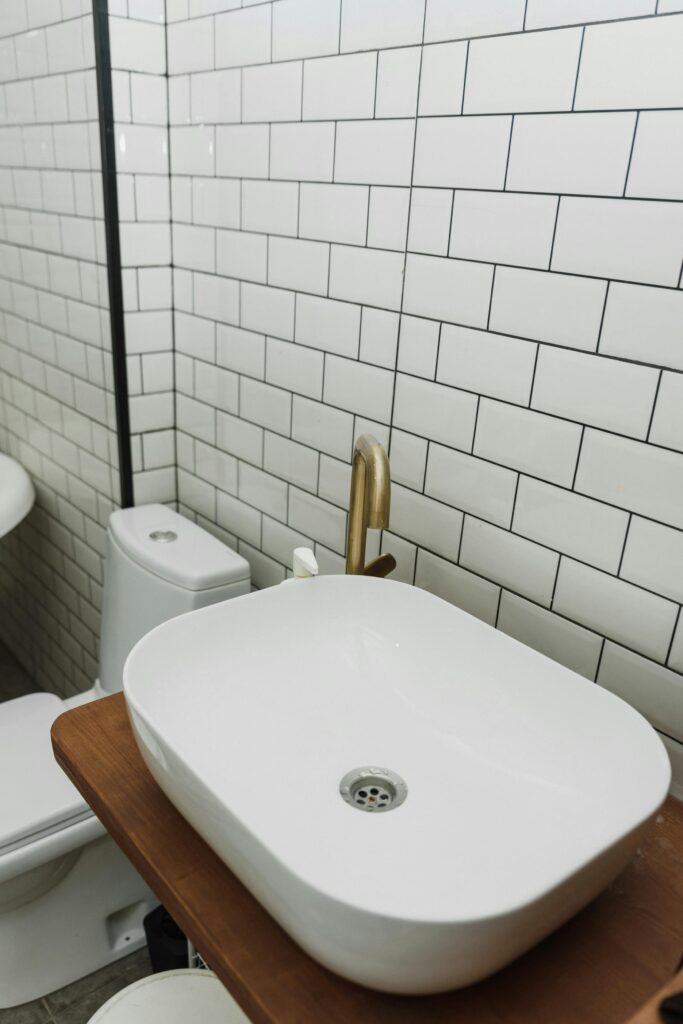
- Sanitaryware
- Tiles
- Certain electrical fixtures
Rather than forcing a decision at the very beginning of the project, these allowances provide a flexible pot of money that clients can use when they are ready to select the final products.
If the chosen items cost more or less than the allowance, the difference is simply adjusted in the final account.


Changes During the Project
It is completely normal for homeowners to make small changes once work is underway. You may decide to adjust a layout, upgrade a finish, or add something that was not originally planned.
Professional contractors will always ensure that:
- Any changes are discussed first
- Costs are agreed in writing
- Work only proceeds once approval has been given
This prevents unexpected invoices and ensures the project remains transparent for both parties.
Inspections and Building Control
Throughout the build, various inspections may take place to ensure the work meets required standards.
These may include:
- Building control inspections
- Structural engineer checks
- Trade-specific testing
Many contractors also provide progress photographs, allowing clients to see work that may later be hidden behind plaster or flooring.
This documentation provides reassurance that the project is progressing properly and meeting regulatory requirements.
Payment Methods
Most building companies now offer straightforward and secure payment methods such as:
- Bank transfer
- Card payments
Invoices are typically issued with clear payment terms, allowing clients to manage each stage of the project confidently.
Why Clear Payment Structures Matter
The most successful building projects are built on clear communication and transparency. A structured payment process ensures:
- Clients know exactly what they are paying for
- Builders are paid fairly for completed work
- Projects stay organised and financially controlled
When both sides understand the system from the beginning, it helps the entire project run more smoothly.
Working with Rogate Construction
At Rogate Construction, we aim to make every project as straightforward and stress-free as possible. We provide detailed quotations, clear cost breakdowns and written contracts before work begins.
Projects typically start with a 10% deposit, followed by monthly invoices based on the work completed. Throughout the build we coordinate inspections, document progress and keep clients informed at every stage.
Working across Hampshire, West Sussex and Surrey, we specialise in renovations, extensions, structural alterations and bespoke home improvements, managing projects from initial planning through to completion.
If you are considering a project and would like professional guidance, our team would be happy to help.



0 Comments